
Statement
Tights
(2024–2026)
A color, texture, and visual identity through hosiery
This project explores the evolution of patterned and colorful tights as a central styling element in contemporary fashion. Rather than functioning as a secondary accessory, legwear has become a visual language of identity, emotion, and digital-era expression.
-
Dopamine dressing
-
Microtrend culture
-
Legwear as statement
-
Visual identity styling

CULTURAL
FORCES
-
Dopamine Dressing: Color used as emotional expression→ Impact: bold tights, playful patterns
-
Microtrend Identity: Fast, niche fashion cycles→ Impact: viral tights styles (dots, lace, stripes)
-
Body-as-canvas styling: Legs as focal point of outfit→ Impact: tights become centerpiece, not accessory

SUSTAINABILITY
FORCES
ECONOMIC FORCES
-
Affordable statement pieces
-
Fast fashion replication of hosiery trends
-
Secondhand + vintage legwear revival
ECONOMIC FORCES
-
TikTok aesthetic acceleration
-
E-commerce rapid production cycles
-
Algorithm-driven styling trends
-
Rewearable statement items (tights styled multiple ways)
-
Upcycling hosiery (DIY cuts, layering, repairs)
-
Slow fashion contrast (fewer but impactful pieces)
Revival of Statement Legwear in Contemporary Fashion
 |  |  |  |
|---|---|---|---|
 | 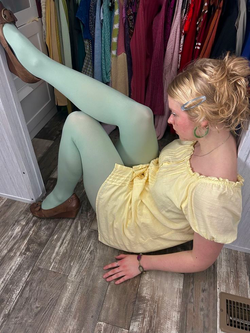 |

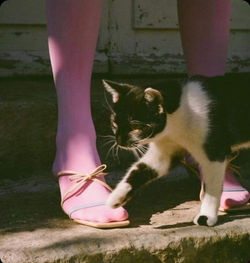
Using the Zeitgeist Map as a foundation, this trend board explores how designers and retailers are currently reinterpreting historical fashion influences. The focus is on patterned and colorful tights as a contemporary statement piece. This trend demonstrates how past aesthetics are revived and adapted into modern styling systems shaped by digital culture, sustainability concerns, and consumer demand for expressive yet accessible fashion.
Brands
-
Miu Miu → playful Y2K femininity, visible legwear styling
-
Vivienne Westwood → punk hosiery + patterned tights influence
-
Simone Rocha → romantic textured tights and layering
Contemporary fashion is reinterpreting 1990s and early 2000s aesthetics through the revival of patterned and colorful tights as a central styling element. Historically, legwear was used as a supporting accessory; however, modern interpretations position it as a focal point of identity expression. Designers such as Miu Miu, Vivienne Westwood, and Simone Rocha demonstrate how hosiery can be used to emphasize individuality, texture, and visual storytelling within an outfit.This trend makes sense in the current moment due to the influence of social media aesthetics, microtrend cycles, and consumer demand for expressive yet accessible fashion. Patterned tights are visually striking, affordable, and highly adaptable, making them ideal for digital visibility and personal styling. As a result, legwear has evolved into a key design element that bridges nostalgia, experimentation, and modern identity expression.

Layered Legwear Systems
Forecasting
Board
Legwear evolves into a layered styling system, not a single statement piece.
Brands That Would Adopt This
-
Miu Miu
-
Urban Outfitter
-
Zara
This shift makes sense within the current cultural context of microtrends, TikTok-driven styling, and the continued revival of early 2000s layering aesthetics. Consumers are increasingly drawn to versatile pieces that can be reinterpreted in multiple ways, making legwear a flexible styling tool rather than a fixed statement. Brands such as Miu Miu, Urban Outfitters, and Zara already reflect early stages of this direction through layered styling and experimental outfit construction.
Compared to the current trend, where tights function as bold, visually dominant elements, the future direction disperses attention across multiple layers of clothing. Instead of pattern being the primary focus, styling, proportion, and contrast between garments become more important. This evolution moves patterned tights from a statement accessory into part of a broader system of layered fashion expression, reflecting a shift toward adaptability and styling creativity in contemporary fashion.
History of Hosiery

Early function
(pre-1900s–1920s)
Stockings for warmth + modesty
Expression era (1960s–1980s)
Colored + patterned tights emerge
Nylon revolution (1940s–1950s)
Hosiery becomes mass fashion item
Y2K + street style
(1990s–2000s)
Tights become styling accessory
 |  |  |  |
|---|---|---|---|
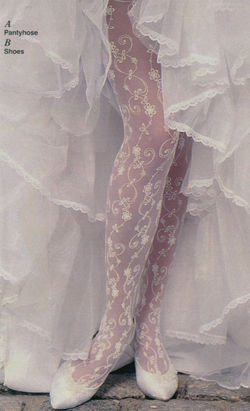 |  |
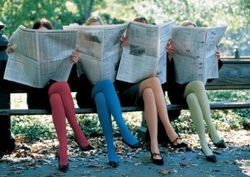
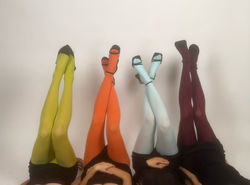
Hosiery has evolved from a functional garment into a key element of fashion expression. Originally used for warmth and modesty in early dress history, stockings were primarily practical and hand-made from wool or linen. With the introduction of nylon in the 20th century, hosiery became more accessible and began to shift into a fashion commodity associated with femininity, elegance, and social status. By the mid-20th century, stockings were no longer purely functional but were integrated into mainstream fashion systems.Throughout the 1960s to 1980s, tights became increasingly expressive, incorporating bold colors, patterns, and subcultural influences such as mod and punk fashion. This marked a shift toward hosiery as a medium for identity and experimentation rather than simple utility.
In the 1990s and early 2000s, hosiery continued evolving as part of street style and Y2K fashion, where patterned tights and layered legwear became styling tools rather than foundational garments. Today, the revival of tights in contemporary fashion reflects this history while reinterpreting it through modern aesthetics such as dopamine dressing and microtrend culture. The recurring return of hosiery highlights its adaptability within fashion cycles. Each reappearance changes its meaning—shifting from necessity to ornamentation to identity expression. The current focus on patterned and colorful tights demonstrates how historical garments are continuously recontextualized, and its future evolution suggests a move toward layered, hybrid styling systems. This ongoing transformation shows how fashion objects survive by adapting to cultural, technological, and aesthetic shifts over time.